Earth
The only world known to host life. Earth is the only planet known to support life, with liquid oceans, a protective atmosphere and a magnetic shield. See home from space.
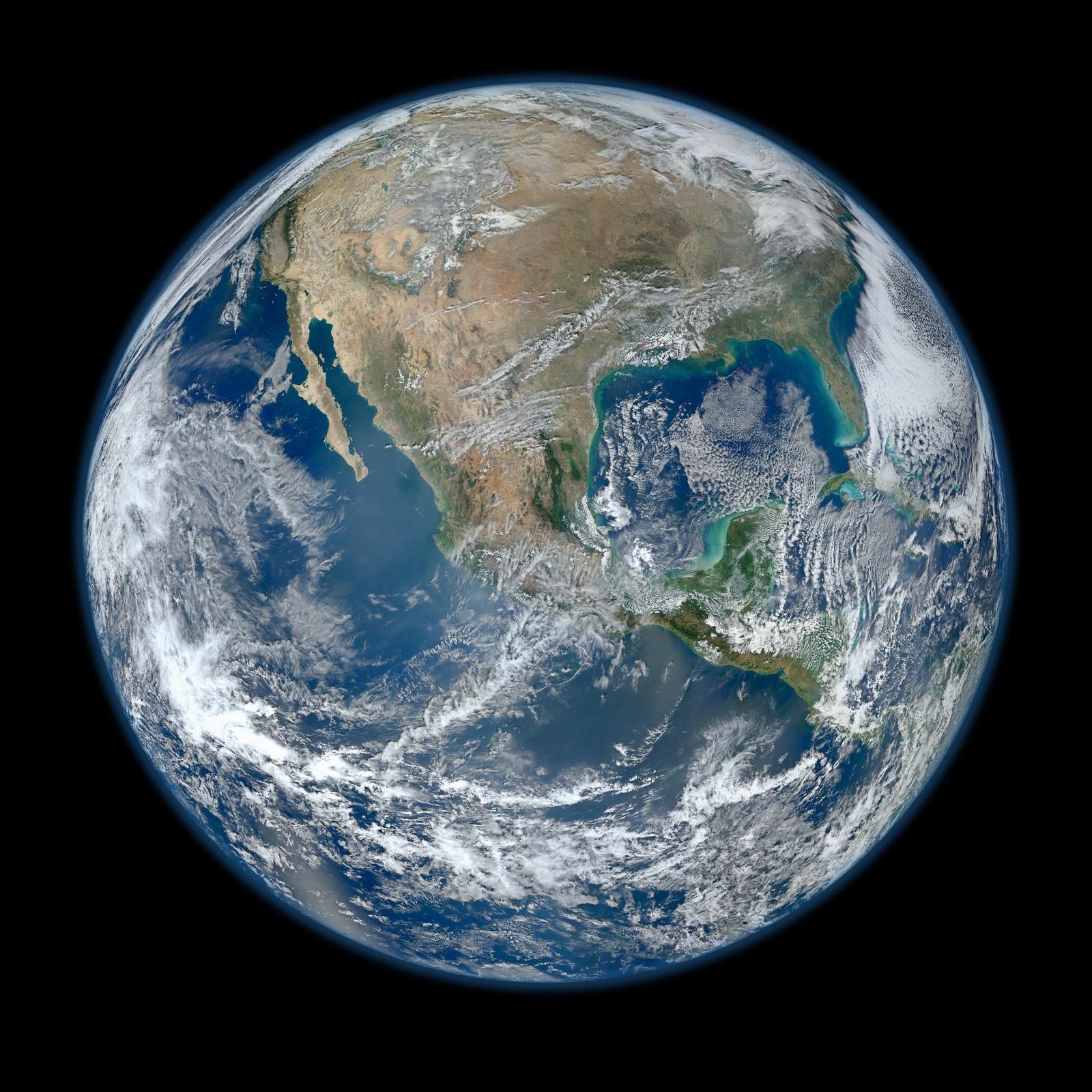
Blue Marble 2012 from the Suomi NPP satellite: NASA Goddard Space Flight Center, Public domain
The planet that got the conditions right
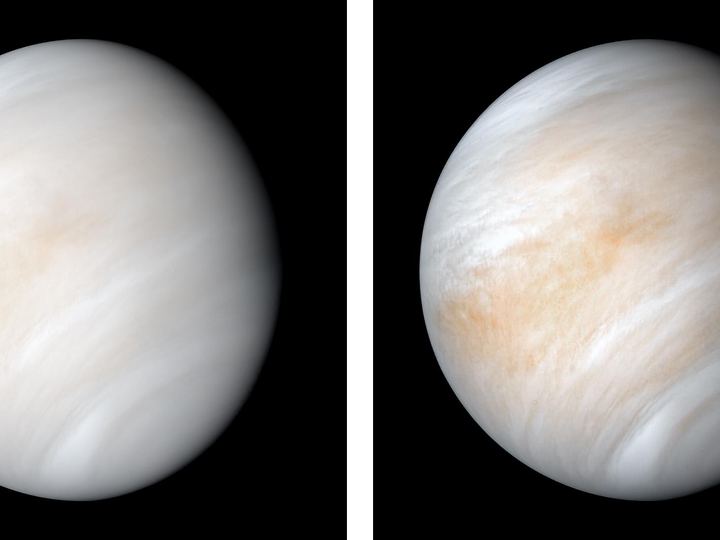
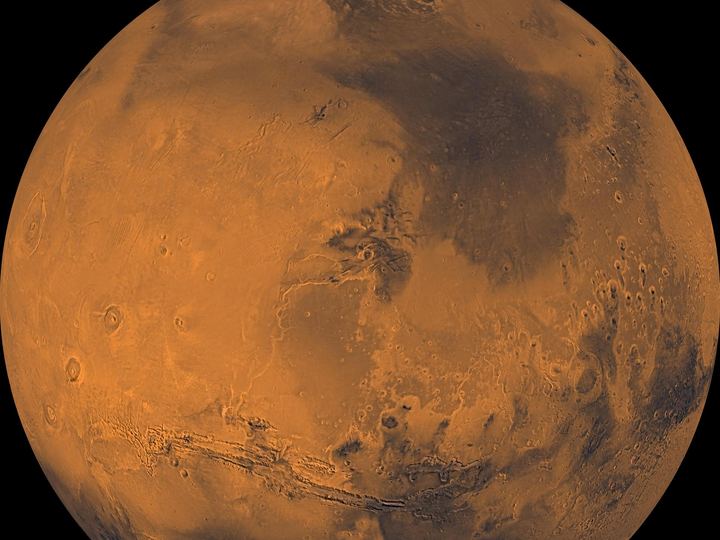
Earth orbits the Sun at a distance where water can stay liquid on the surface, not boiled away like on Venus or locked in ice like on Mars. Oceans cover about 71 percent of the planet, and that water shapes everything from weather to the chemistry of the rocks.
A thin atmosphere of nitrogen and oxygen keeps the surface warm enough for life and burns up most small meteors before they reach the ground. Deep below, Earth's churning iron core generates a magnetic field that deflects much of the Sun's charged particles. Together they make our planet a remarkably sheltered place.
Earth is also the densest planet in the solar system and the largest of the four rocky worlds. It is the only place in the universe where we know for certain that life exists, from deep-sea microbes living on volcanic vents to forests, coral reefs and the people reading this page.
Video: Spinning Earth with clouds, atmosphere, and night lights. Credit: NASA's Scientific Visualization Studio (source). NASA media; no endorsement implied.
A restless, recycled surface
Earth is the only planet we know of with active plate tectonics. Its rocky outer shell is broken into giant plates that slowly drift, a few centimeters a year, about as fast as your fingernails grow. Where they collide, mountains rise and earthquakes shake. Where they pull apart, new crust forms from rising magma.
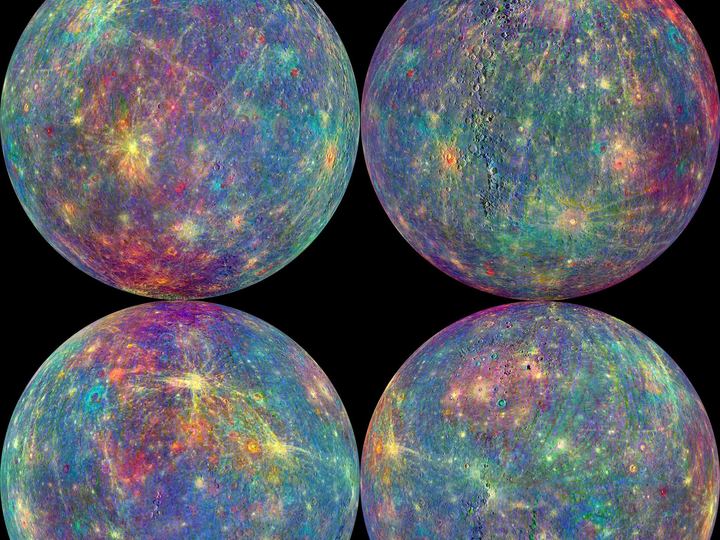
This constant recycling helps regulate Earth's climate over millions of years by moving carbon between the air, the oceans and the rocks. It also erases old craters, which is why Earth's face looks so fresh compared with the Moon or Mercury.
How Earth formed
About 4.5 billion years ago, dust and rock in the young solar system clumped together into bigger and bigger bodies until Earth took shape. Early on it was a molten world, battered by impacts. One giant collision with a Mars-sized body is thought to have thrown out the debris that became our Moon.
As the planet cooled, a crust formed, and water, likely delivered partly by asteroids, collected into oceans. Within roughly a billion years, simple life had appeared. Tiny ocean microbes later began releasing oxygen, slowly transforming the atmosphere into the air we breathe today.
Seeing home from space
Some of the most powerful images in history show Earth from far away. Astronauts on the International Space Station circle the planet about every 90 minutes, seeing 16 sunrises and sunsets a day. Fleets of satellites now track storms, sea ice, forests and city lights around the clock.
In April 2026, the Artemis II crew photographed Earth setting behind the Moon during their lunar flyby, echoing the famous Earthrise picture taken by Apollo 8 in 1968. From that distance, the whole of human history fits inside a small blue crescent.
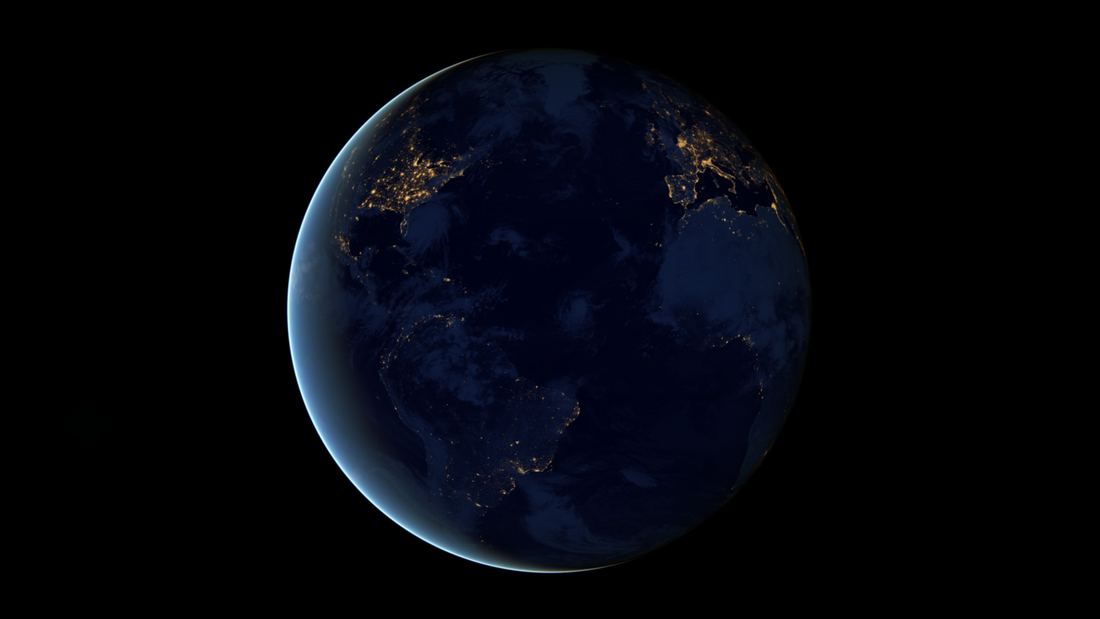
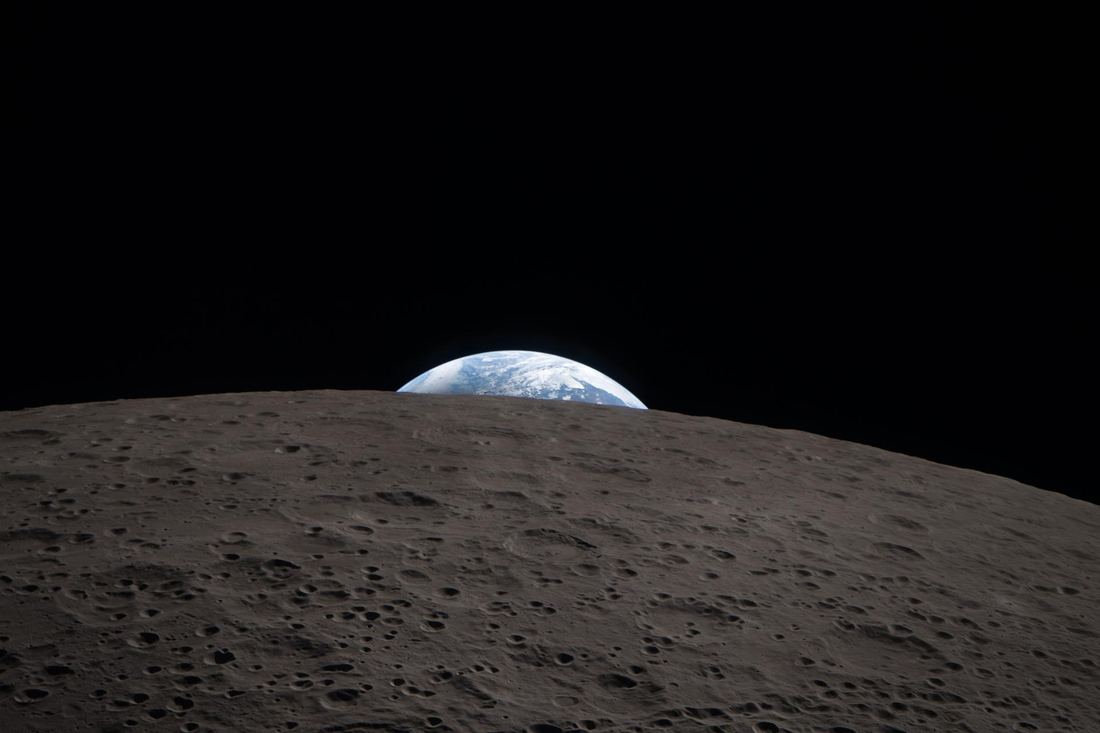
Facts on this page were checked against these sources.
- Blue Marble 2012 from the Suomi NPP satellite: NASA Goddard Space Flight Center, Public domain
- Black Marble: Earth's city lights at night: NASA Earth Observatory/NOAA, Public domain
- Earthset photographed by the Artemis II crew: NASA, Public domain
- Video: Spinning Earth with clouds, atmosphere, and night lights, NASA's Scientific Visualization Studio, NASA (public domain)
Text written by Planetinio.